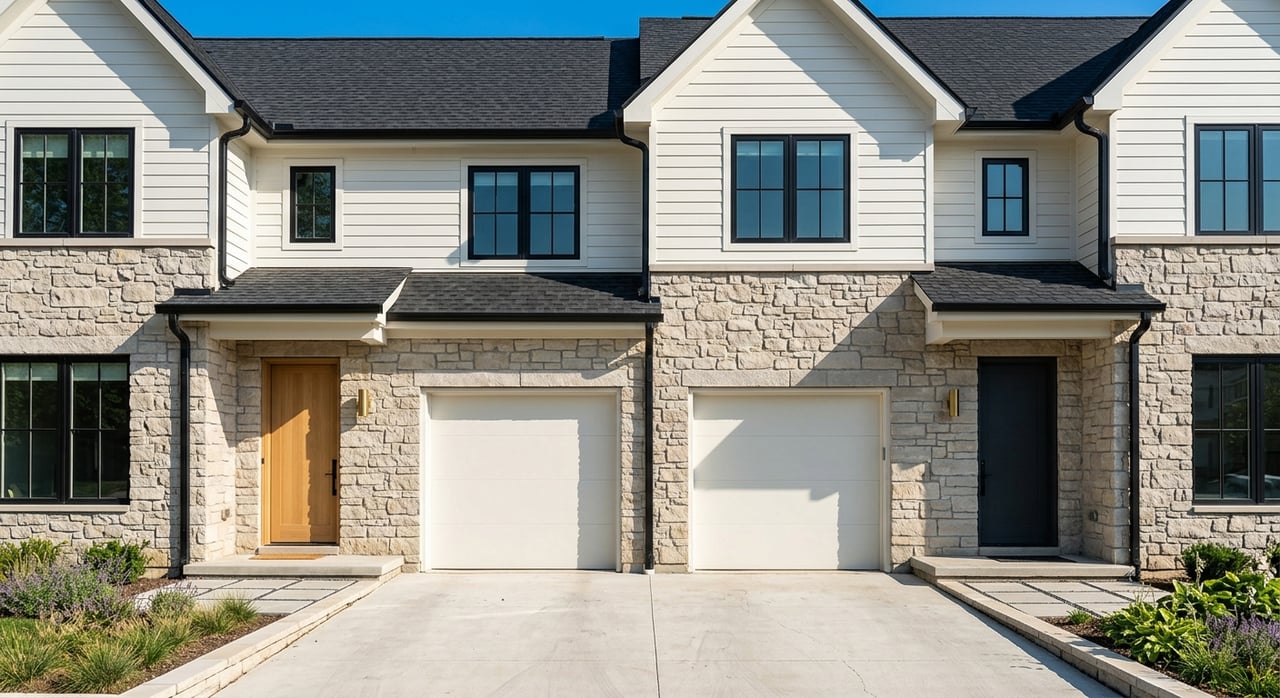
Choosing between a condo and a townhome in Nashville can feel simple at first, until you realize you are really choosing between two different ownership setups, monthly cost structures, and day-to-day lifestyles. If you want a home that fits how you live now and protects your budget later, the label alone will not tell you enough. This guide will help you compare what matters most in Nashville, from parking and HOA responsibilities to financing and resale. Let’s dive in.
Start With Ownership, Not Style
In Nashville, the biggest difference is usually not how the property looks from the street. It is how ownership is structured and who is responsible for what.
Under Tennessee law, a condominium means you own your individual unit within a multi-unit property, while common elements are shared. In many condo communities, the association handles common-element upkeep, and the owner handles the unit itself unless the declaration says otherwise. That means things like hallways, exterior walls, elevators, roofs, and amenity spaces may fall under the association rather than the individual owner.
Townhomes can be more straightforward, but they are not always as simple as buyers assume. Tennessee also recognizes townhouse structures with private elements and a townhouse corporation, which means some townhomes come with documents and rules that are just as important to review as condo documents. In other words, you should not assume a townhome automatically gives you fewer HOA rules or more control.
Ask These Ownership Questions First
Before you compare finishes, views, or floor plans, ask:
- What parts of the property do you own directly?
- What does the HOA maintain?
- Are exterior items like the roof, siding, and shared drive covered by the association?
- Are there shared common areas or amenities?
- What do the declaration, bylaws, and rules say about maintenance and use?
Those answers will shape your monthly costs, your repair responsibilities, and even how easy the home may be to resell later.
Nashville Lifestyle Matters More Than Labels
A condo and a townhome can offer very different daily experiences, but there is plenty of overlap in Nashville. Some condos are compact and efficient, while others are large, luxury-oriented homes. Some townhomes offer extra space and private garages, while others are relatively compact.
Current listing snapshots in Nashville show that condos and townhomes both vary widely in size and price. Condos have ranged from about 630 square feet to more than 2,400 square feet, while townhomes have ranged from around 1,100 square feet to more than 3,800 square feet. That means you cannot rely on the category alone to predict space, layout, or value.
When a Condo May Fit Better
A condo may be the better fit if you want:
- A lower-maintenance exterior setup
- A more urban location
- Walkability and lock-and-leave convenience
- Shared amenities that the association maintains
For many buyers, that setup works well when convenience matters more than private outdoor space or a house-like layout.
When a Townhome May Fit Better
A townhome may be the better fit if you want:
- A more house-like feel
- More square footage or multiple levels
- Easier parking access, such as a garage or driveway
- A layout with more separation between living areas and bedrooms
That said, some Nashville condos also offer generous square footage, and some townhomes still have meaningful HOA involvement. The best choice depends on the specific property, not the label.
Parking Is a Bigger Deal in Nashville
Parking can quickly become one of the most important factors in your decision. In Nashville, zoning is parcel-specific, and some districts are designed to support walkable development. In downtown and Urban Zoning Overlay areas, off-street parking requirements can be reduced or even eliminated.
That matters because a beautiful condo or townhome may not come with the parking setup you expect. You may find deeded parking, assigned parking, private garages, or a property that relies partly or entirely on street parking. If street parking is part of the picture, Nashville’s parking enforcement and residential parking permit rules can affect your day-to-day experience.
Check the Parking Setup Carefully
Ask these questions before you move forward:
- Is the parking deeded, assigned, or first-come, first-served?
- Is there a private garage, carport, or surface lot?
- Does the property rely on street parking?
- Are residential parking permits involved?
- Are guest parking rules clearly defined?
In many Nashville purchases, parking is not a side issue. It is a major quality-of-life factor that can also affect resale appeal.
Compare the True Monthly Cost
A mortgage payment is only part of the story. HOA dues are usually paid separately from the mortgage, and they can range from a few hundred dollars per month to more than $1,000 depending on the community and what is included.
That is why the better question is not just, “Can I afford the purchase price?” It is, “What will this property really cost me each month?” A condo with a lower price but high HOA dues may cost more monthly than a townhome with a higher purchase price but lower dues.
What HOA Dues May Cover
Depending on the property, dues may help cover:
- Exterior maintenance
- Roofs and siding
- Common-area upkeep
- Hallways and elevators
- Amenity maintenance
- Shared insurance obligations
- Landscaping or shared drives
You need to confirm exactly what is included. Two properties with the same monthly HOA dues can offer very different levels of coverage and value.
Don’t Ignore Special Assessments
Special assessments can change your budget fast. These are one-time charges the association may impose for major repairs or other costs that regular dues do not cover.
That makes it important to review whether the association has recent or pending assessments and whether reserves appear strong enough to reduce the chance of surprise costs. If you are trying to protect your long-term budget, this step matters.
Financing Can Differ, Especially for Condos
Financing is another area where condos and townhomes can part ways. For condos, loan approval may depend not only on your finances but also on the project itself.
HUD says FHA condominium financing depends on project approval or single-unit approval and includes reviews of insurance coverage, financial condition, title issues, pending legal action, and physical condition. HUD condo guidance also requires the HOA to carry master or blanket property insurance at current replacement cost. If you are considering FHA financing, this should be part of your early screening process, not a last-minute surprise.
Townhomes can sometimes be simpler from a financing standpoint, but that depends on how the property is legally structured and what the HOA covers. Some townhomes have HOA documents and shared obligations that still require close review.
Financing Questions to Ask Early
To avoid delays, ask:
- Is the property a condo or townhome in the legal sense?
- If it is a condo, does it meet FHA financing requirements if you need that loan type?
- What insurance does the HOA carry?
- Are there legal or financial issues affecting the association?
- Will HOA dues affect your debt-to-income calculation?
These questions can save you time, stress, and contract risk.
What Nashville Market Data Suggests Right Now
In the Nashville MSA last month, Realtracs reported about 13,500 homes in inventory, 2,636 closings, a median sale price of $497,000, and 35 days on market. That gives you useful market context if you are trying to time a move or compare options.
Current Nashville listing snapshots also show a meaningful split between condos and townhomes. Condos were listed around a median price of $479,000, while townhouses were around $399,000. Condos were averaging 83 days on market versus 71 days for townhouses.
The takeaway is important: condos are not automatically the cheaper option, and townhomes are not automatically the bigger option. In Nashville, building age, location, renovation level, parking setup, and HOA scope can matter more than the property category.
A Simple Way to Choose
If you are stuck between the two, focus on the trade-offs that affect your real life and your long-term costs.
Choose a Condo if You Prioritize
- Low exterior maintenance
- Walkability
- Urban location
- Shared amenities
- Lock-and-leave convenience
Choose a Townhome if You Prioritize
- More house-like living
- Potentially more space
- Easier parking access
- More separation of living areas
- A layout that feels closer to a single-family home
Use This Final Checklist
Before you decide, compare each option side by side on:
- Monthly payment including HOA dues
- What the HOA covers
- Parking type and convenience
- Recent or pending assessments
- Financing eligibility
- Owner versus HOA maintenance responsibility
- Layout and day-to-day livability
- Resale appeal based on location and association health
When you compare homes this way, the right choice usually becomes much clearer.
If you are weighing condos and townhomes in Nashville, a careful local review can help you avoid expensive assumptions and choose the property that truly fits your goals. When you are ready to compare options, review HOA details, and protect your interests through the process, connect with Kenny Stephens.
FAQs
What is the main difference between a condo and a townhome in Nashville?
- In Nashville, the main difference is usually ownership structure and maintenance responsibility, not just exterior style. Condos typically involve more shared common elements, while townhomes may have more private elements, but HOA documents are important in both cases.
How do HOA dues affect condo and townhome costs in Nashville?
- HOA dues are usually separate from your mortgage payment and can range from a few hundred dollars to more than $1,000 per month. You should review what those dues cover and whether there are any special assessments that could raise your true cost of ownership.
Why is parking so important when buying a condo or townhome in Nashville?
- In some Nashville areas, off-street parking requirements can be reduced or eliminated, especially in downtown and Urban Zoning Overlay areas. That means you need to confirm whether parking is deeded, assigned, garage-based, or dependent on street parking and permit rules.
Can you use FHA financing for a Nashville condo?
- Possibly, but condo financing can depend on the project as well as your own qualifications. FHA condominium financing may require project approval or single-unit approval, along with reviews of insurance, financial condition, title issues, legal issues, and physical condition.
Are townhomes always larger or a better value than condos in Nashville?
- No. Current Nashville listing data shows wide variation in both categories, with condos and townhomes spanning a broad range of sizes and price points. It is better to compare the specific home, parking, HOA scope, condition, and monthly carrying costs rather than assume one type is always the better deal.