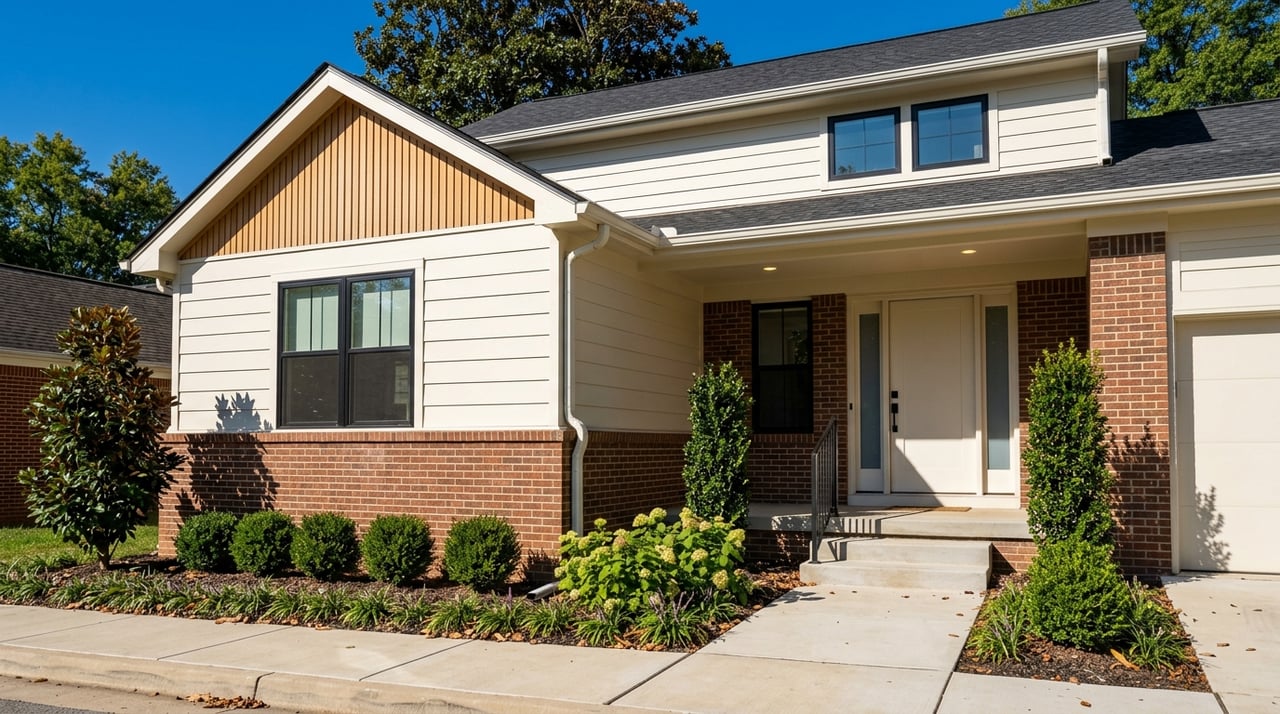
Looking for the right urban neighborhood in Nashville can feel exciting and a little overwhelming at the same time. Each in-town area has its own daily rhythm, and what feels like a perfect fit for one buyer may not match what you want from your weeknights, commute, or home style. This guide will help you understand what everyday life really looks like across Nashville’s urban neighborhoods so you can make a confident move. Let’s dive in.
Nashville Urban Living at a Glance
Urban Nashville is not one single experience. It is a patchwork of mixed-use districts, historic pockets, entertainment hubs, and creative corridors, each with a different feel.
Some neighborhoods are centered on live music, restaurants, sports, and nightlife. Others offer a more residential pace with older homes, local coffee shops, parks, and walkable streets. That variety is a big reason many buyers are drawn to living closer to the city core.
In practical terms, everyday life in Nashville’s urban neighborhoods often means convenience plus character. You may be able to grab coffee nearby, meet friends for dinner without a long drive, spend time on a greenway after work, and still get home without feeling disconnected from the rest of the city.
How Neighborhoods Feel Day to Day
Downtown and SoBro
Downtown and SoBro are shaped by live music, sports, hotels, convention traffic, and major attractions. The pace tends to be active, with a steady flow of visitors and events helping define the day-to-day atmosphere.
If you want to be in the middle of the action, these areas offer that energy. For some buyers, that constant activity is the draw. For others, it helps clarify that they may want to be close to downtown without living in its busiest blocks.
The Gulch
The Gulch is known as a highly walkable district with high-rise residences, nightlife, breweries, live music venues, and diverse dining. It tends to appeal to buyers who want a modern urban setup with easy access to restaurants and entertainment.
Daily life here can feel streamlined. You may be able to walk to dinner, meet friends for a drink, or enjoy a quick errand without getting in the car every time.
Germantown
Germantown blends walkability and historic character. It is often associated with brunch spots, acclaimed restaurants, the Farmers’ Market, and museums nearby.
For many buyers, Germantown offers a strong balance. You get an in-town location with a neighborhood feel, plus easy access to places that can become part of your regular routine.
East Nashville
East Nashville is known for creative restaurants, live music, art, and vintage shopping. It stands out as one of the city’s more distinct urban areas, with a mix of older housing styles and a strong local business presence.
Life here can feel expressive and active without being identical from block to block. That variety is part of the appeal if you want a neighborhood with personality and a wide mix of nearby options.
Wedgewood-Houston
Wedgewood-Houston has an arts-forward identity, with studios, workshops, and older industrial buildings adapted into lofts and workspaces. New dense housing has also helped create a more walkable commercial setting.
This area often attracts buyers who like adaptive-reuse spaces and a neighborhood that feels creative and evolving. It offers a different kind of urban experience than the more polished condo districts.
12South, Midtown, Belmont-Hillsboro, Sylvan Park, and Charlotte Corridor
These neighborhoods are often described as walkable or more residential districts with restaurants, coffee, parks, and local shops. While each one is different, they tend to offer a lifestyle that blends neighborhood comfort with city access.
That can be a strong fit if you want urban convenience but do not necessarily want to live in the center of tourism or nightlife. For many buyers, these areas feel more like everyday living and less like a destination zone.
Getting Around Nashville
One of the biggest questions buyers ask is simple: what does the commute really look like? In Nashville-Davidson, the mean one-way travel time to work is 24.7 minutes based on the 2020-2024 American Community Survey.
That is a citywide number, so your actual routine will depend on where you live and where you work. Still, it suggests many residents are managing short-to-moderate commutes rather than very long suburban drives.
Nashville is best understood as a mixed-mode city. In the most compact neighborhoods, walking and biking can be realistic for parts of daily life, but many residents still rely on a car for the full routine.
WeGo Transit operates 27 local bus routes and nine regional routes. Frequent corridors include West End, Hillsboro, Dickerson Pike, Charlotte Pike, Nolensville Pike, Murfreesboro Pike, and Gallatin Pike.
The WeGo Star commuter rail supports the East Corridor on weekday mornings and afternoons, with Riverfront Station downtown and connecting bus service. For some buyers, that adds another layer of flexibility when choosing where to live.
Dining, Coffee, and Nightlife
One thing that stands out about urban Nashville is how deeply food and music shape daily life. This is not limited to Broadway or special occasions.
Neighborhoods across the city bring their own flavor. Melrose is known for coffee, Charlotte Corridor for coffee shops and music venues, Germantown for brunch and restaurants, The Nations for craft breweries and chef-driven dining, Midtown for restaurants and bars, and Downtown, SoBro, and The Gulch for dining and live music as a central part of the experience.
Nashville also has more than 250 performance venues, with music happening across neighborhoods every day of the year. Many venues offer free live music with no cover charge, which makes casual weeknight outings much more realistic than many buyers expect.
If your ideal lifestyle includes spontaneous plans, urban Nashville gives you plenty of ways to make that happen. You might not need to plan every outing far in advance when so much is already woven into nearby neighborhoods.
Parks and Outdoor Access
City living in Nashville is not just about buildings, restaurants, and events. Parks and greenways play a major role in how many residents spend their free time.
Metro Parks includes 189 parks and 110 miles of greenways. These greenways are designed not only for recreation but also as connectors between neighborhoods, parks, transportation, shopping, work, and other daily destinations.
Centennial Park is one of the city’s key urban anchors. The 132-acre park includes the Parthenon, a one-mile walking trail, Lake Watauga, a dog park, and an exercise trail.
Shelby Bottoms is another major asset for in-town residents. It offers more than 5 miles of paved ADA-accessible trail, more than 5 miles of primitive trails, and a trailhead less than 4 miles from Lower Broadway.
Even Warner Parks, while outside the core, are only 9 miles from downtown and span more than 3,100 acres. That means access to outdoor space can stay part of your weekly routine even when you choose an urban address.
What Homes Look Like
Housing styles in urban Nashville vary a lot by neighborhood. That variety is one of the market’s biggest strengths, especially if you want something with a specific style or feel.
In East Nashville’s historic districts, Metro guidance describes styles such as Eastlake, Queen Anne, Classical Revival, Bungalow, and English Cottage. Germantown includes brick townhouses and workers’ cottages, while Richland-West End is known for early-20th-century residences like American foursquares, bungalows, and cottages.
Belmont-Hillsboro includes bungalows, cottages, American foursquares, Tudors, and some more contemporary homes. These older neighborhood patterns create a very different buying experience from newer suburban developments.
Modern in-town housing looks different. The Gulch is known for high-rise condos, and Wedgewood-Houston includes older industrial buildings converted into lofts, workspaces, and restaurants, along with newer dense housing.
For buyers, that means you can compare very different lifestyles within a relatively close area. One neighborhood may offer a classic historic home, while another may fit better if you want low-maintenance condo living or a loft-style space.
A Practical Note on Historic Areas
If you are considering an older home in an urban Nashville neighborhood, it is smart to understand historic overlay rules early. Metro Nashville’s Historic Zoning Commission reviews work on properties within a Historic Overlay.
That can affect exterior design review, permits, renovations, additions, and some accessory dwelling decisions. It does not mean these properties are harder to own, but it does mean you should go into the process with clear expectations.
This is where local guidance matters. When you understand the rules before you buy, you can better match the home to your plans and avoid surprises later.
Is Urban Nashville the Right Fit?
Urban Nashville is often a strong fit if you want a lifestyle built around access. That could mean shorter drives, more neighborhood options for dining and coffee, nearby parks, and the ability to mix walking, driving, and transit depending on the day.
It may also be a good fit if you value character in the built environment. From historic cottages to modern towers and adaptive-reuse lofts, in-town neighborhoods give you a wider range of housing experiences than many buyers realize.
At the same time, your best match depends on what you want your daily rhythm to feel like. Some buyers want high energy and nightlife. Others want a quieter residential feel with easy access to the core. Knowing that difference can help you narrow your search much faster.
Buying in Nashville’s urban neighborhoods is not just about picking a property. It is about choosing the routine, access, and atmosphere you want to live with every day.
If you want help comparing urban neighborhoods, condo living, historic homes, or in-town investment opportunities, Kenny Stephens can help you protect your interests and find the Nashville fit that makes sense for your goals.
FAQs
What is everyday life like in Nashville’s urban neighborhoods?
- Everyday life in Nashville’s urban neighborhoods usually blends convenience, dining, music, parks, and varied housing styles, with each neighborhood offering its own pace and personality.
Which Nashville urban neighborhoods are most walkable?
- Areas such as The Gulch, Germantown, and several mixed-use in-town districts are known for walkability, especially for restaurants, coffee shops, and entertainment.
What is the average commute in Nashville-Davidson?
- The mean one-way travel time to work in Nashville-Davidson is 24.7 minutes based on the 2020-2024 American Community Survey.
Does Nashville have public transit for urban residents?
- Yes. WeGo Transit operates 27 local bus routes and nine regional routes, and the WeGo Star commuter rail serves the East Corridor on weekday mornings and afternoons.
What kinds of homes are common in urban Nashville neighborhoods?
- Urban Nashville includes historic homes such as bungalows, cottages, Tudors, American foursquares, and brick townhouses, along with high-rise condos and loft-style adaptive-reuse spaces.
Do historic Nashville neighborhoods have renovation rules?
- Some do. Properties within a Historic Overlay may be subject to review by Metro Nashville’s Historic Zoning Commission for certain exterior changes, renovations, additions, and related work.