Is there a right month to list your Brentwood home, or is it all about preparation and pricing? If you are eyeing a spring or summer move, you are not alone, and the timing can shape your offers, showings, and days on market. You want a smooth sale with strong results and a closing that lines up with summer plans and school schedules. In this guide, you will learn how Brentwood’s seasonality works, when buyer activity peaks, and how to plan backward so your home hits the market at the right moment. Let’s dive in.
Why timing matters in Brentwood
Brentwood is a high-demand suburb south of Nashville. Many buyers commute to downtown Nashville or other employment centers in Williamson County, so access and routine drive decisions. That commuter profile, paired with family needs and local schools, shapes when buyers shop and write offers.
Typical buyers include move-up or trade-up families, executives relocating to the Nashville area, and affluent buyers looking for luxury or newer construction. In higher price tiers, buyers are more selective and timelines can run longer. The school calendar is a major factor, since many families want to close over summer break to avoid moving during the school year.
Brentwood’s seasonal pattern
Brentwood generally follows a classic suburban rhythm, with a strong spring market and a steady early-summer window. Weather and curb appeal also play a role, since mild springs highlight landscaping and outdoor spaces.
Spring: March to May
Spring is historically the most active period for suburban home sales. Listings and buyer searches rise, and families target contracts that close before the next school year. Curb appeal and natural light are at their best, which can help your online presentation and in-person showings.
Early summer: June
Demand remains strong in June as buyers try to wrap closings before vacations and school commitments. Inventory can rise as more sellers list, so accurate pricing and standout marketing matter. Most late-spring listings that go under contract often close in early summer.
Mid to late summer: July to August
Activity can slow as families travel and focus on back-to-school tasks. If inventory builds, sellers may face more competition and longer days on market. Serious relocation buyers still shop, but school-driven buyers may have already made their moves.
Fall: September to November
There is usually a smaller second wave of motivated buyers in the fall. These are often relocations or shoppers who missed spring. Pricing power is usually lower than the spring peak, but a well-prepared, well-priced home can still sell efficiently.
Winter: December to February
Winter has the lowest overall volume, but the buyers who are active tend to be serious. With fewer competing listings, some sellers gain negotiation clarity and timeline certainty. Curb appeal can be limited, so interior readiness and pricing realism are important.
The best month to list
If you want the largest family buyer pool and strong pricing conditions, early spring is often the best target. March and April typically capture the most school-year-driven buyers while curb appeal is at its best. That said, the exact week should reflect current inventory and days-on-market trends for comparable homes in your Brentwood neighborhood.
If you need a little more prep time, late spring and early summer can still perform well. Buyers remain motivated to close over the summer, though you will want to price with precision as inventory rises.
Spring vs. summer vs. fall
Each season brings trade-offs. Choose your window based on your goals, your home’s readiness, and your preferred closing date.
Early spring: March to early May
- Pros: Largest buyer pool, strong competition among buyers, peak curb appeal, potential for faster sales and strong pricing.
- Cons: More listings hit the market, so your home must be fully prepped and well presented.
- Best for: Sellers aiming to maximize price who can be market-ready after repairs and staging.
Late spring and early summer: May to June
- Pros: Continued demand, buyers motivated to close over summer, favorable lighting and landscaping.
- Cons: More inventory, so accurate pricing and standout marketing are essential.
- Best for: Sellers needing a bit more time who still want a summer closing window.
Mid to late summer: July to August
- Pros: In some years, fewer competing sellers, and relocation buyers remain active.
- Cons: Reduced overall buyer attention and potentially longer days on market as school season approaches.
- Best for: Sellers who missed spring and need a summer timeline. Consider pricing and marketing adjustments.
Fall: September to November
- Pros: Motivated buyers and often less competition.
- Cons: Smaller buyer pool and typically lower pricing power than spring.
- Best for: Sellers who prefer fewer showings while maintaining solid exposure.
Winter: December to February
- Pros: Serious buyers and fewer competing listings can create a cleaner negotiation path.
- Cons: Smaller buyer pool and limited curb appeal.
- Best for: Sellers with urgent timelines who value privacy and certainty.
Backward plan your timeline
A strong spring or summer sale starts months earlier. Give yourself enough runway for repairs, staging, professional photos, and marketing.
Common durations to budget:
- Minor repairs, decluttering, paint, carpet cleaning: 2 to 6 weeks
- Professional staging and photography scheduling: 1 to 2 weeks
- Optional pre-listing checks, such as HVAC, roof, termite: 1 to 3 weeks
- Major renovations or permit-required work: months, based on scope
- Contract to close: typically 30 to 60 days, depending on the agreement
- Hiring your agent and prepping listing materials: 1 to 2 weeks
Timeline A: Target a late June closing
- 6+ months out: Plan any large projects or landscaping improvements. Secure permits early if needed.
- 4 to 6 months out, January to March: Complete repairs and updates, declutter, and plan photography.
- 2 to 4 months out, March to April: Go live and focus on showings and offers. Listing in early March or April captures the spring surge.
- 0 to 2 months out: Under contract, manage inspections and negotiations, then move to closing.
Timeline B: List in April, close May or June
- 2 to 4 months out: Refresh landscaping, service roof or HVAC, and review pricing with your agent.
- 1 to 2 months out: Complete minor repairs, consider a pre-listing inspection, and gather documents.
- 0 to 1 month out: Deep clean, finalize staging, schedule professional photos, and launch marketing.
90, 60, and 30-day checklist
- 90+ days: Scope major repairs, consult contractors, and obtain permits if required.
- 60 to 90 days: Declutter, complete cosmetic updates like paint and hardware, and service major systems.
- 30 to 60 days: Wrap final repairs, stage, deep clean, and book professional photography.
- 0 to 14 days: List, host open houses as needed, respond to feedback, and adjust pricing if appropriate.
Price tiers and expectations
Brentwood has a mix of move-up single-family homes, newer subdivisions, gated communities, and luxury estates. Higher price tiers often experience longer days on market, and buyers tend to be more selective. If your home sits in the upper mid or luxury segment, plan a wider marketing window and focus on presentation, privacy, and premium features.
Luxury buyers may be active year-round, especially relocation clients. Even so, listing windows with strong curb appeal, like spring landscaping or early fall foliage, can help. Set expectations for timing and feedback, and tailor your pricing strategy to comparable homes in your micro-neighborhood.
Brentwood listing checklist
A few local details can elevate your launch and streamline your sale.
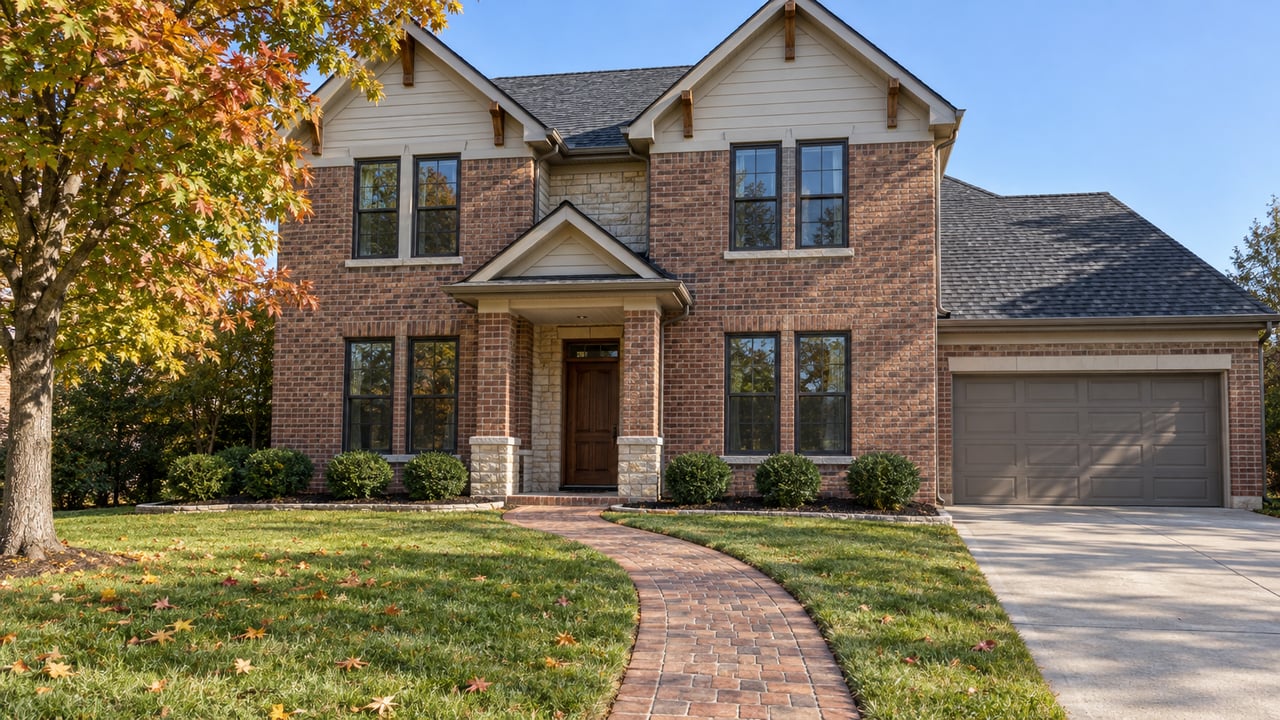
- Curb appeal: Fresh mulch, trimmed shrubs, power-washed driveways, and healthy lawns stand out in Brentwood. Spring color helps photos pop.
- Family timing: If relevant, note proximity to local school calendars in your marketing to help buyers plan their move.
- Features that matter: Highlight lot size, privacy, updated systems, and smart-home upgrades. Community amenities can be a difference-maker.
- Termite and system checks: Consider a pre-listing termite inspection and service HVAC and roof systems to reduce surprises.
- HOA documents: Many Brentwood neighborhoods require HOA disclosures. Gather these early to speed up due diligence.
Watch these local metrics
Right before you list, review fresh data for your price band and neighborhood. These indicators help you fine-tune timing and pricing.
- Active inventory and new listings month over month
- Days on market for comparable homes in Brentwood, segmented by price tier
- List-to-sale price ratio to understand negotiation norms
- Months of supply to gauge seller or buyer market conditions
- Recently sold comparables from the last 30 to 90 days in your subdivision
- Pending sales versus new listings to read market momentum
Ready to sell this season?
If you can be market-ready, listing in March or April is a proven way to reach the largest family buyer pool and leverage peak curb appeal. If you need more time, late spring and early summer can still deliver strong results with the right pricing and presentation. The key is to align your listing date with your preparation, your ideal closing window, and what current local data shows.
You deserve an advocate who protects your interests, manages risk, and negotiates with skill. Connect with Kenny Stephens to map your target timeline, pricing, and marketing plan for a confident Brentwood sale.
FAQs
What is the best month to sell a home in Brentwood?
- Early spring, especially March and April, typically brings the largest buyer pool and strong pricing opportunity, with final timing guided by current inventory and days on market for similar homes.
How far in advance should I prepare my Brentwood home to list?
- Most sellers need 4 to 12 weeks for repairs, staging, and photography, with major renovations requiring additional months.
Will listing in summer hurt my sale price in Brentwood?
- Early summer can still be strong, but as inventory rises and buyer attention shifts, accurate pricing and standout marketing become more important.
How does the school calendar affect buyer demand in Brentwood?
- Many families prefer to close during summer break to avoid mid-year moves, so listings that allow June to August closings often attract more school-year-driven buyers.
Do staging and professional photos really matter for Brentwood homes?
- Yes. In Brentwood’s higher price tiers, buyers expect polished presentation, and strong visuals can materially increase interest and offers.
Should I get a pre-listing inspection for my Brentwood property?
- A pre-listing inspection can reduce surprises and support cleaner negotiations, especially if you suspect issues or want to build buyer confidence in higher price points.