If you are torn between Franklin’s historic core and one of its newer suburban-style communities, you are not alone. Both options offer a strong lifestyle, but they ask for different trade-offs in how you live, maintain your home, and plan for the future. This guide will help you compare character, convenience, costs, and day-to-day fit so you can make a smart decision with confidence. Let’s dive in.
Franklin Gives You Two Different Experiences
Franklin is not growing by accident. The city describes its approach as a balance of planning, preservation, and fiscal responsibility, with continued protection of historic downtown through preservation tools and contextual architecture.
That creates two very different homebuying paths. You can choose the older, preserved parts of Franklin with historic homes and a walkable downtown feel, or you can look at newer growth areas shaped by planned development, open space concepts, sidewalks, and community amenities.
What Living in Historic Franklin Feels Like
Historic Franklin is centered around downtown and extends beyond the square into several locally designated historic districts. Downtown Franklin is described by the city as a 15-block historic district, while Visit Franklin highlights a 16-block stretch filled with shops, restaurants, coffeehouses, and attractions.
If you are drawn to charm, this part of Franklin has plenty of it. The city highlights brick sidewalks, Victorian architecture, renovated historic buildings, and more than 200 years of history, all packed into an area that functions as both a tourism destination and an everyday gathering place.
Home Styles in Historic Areas
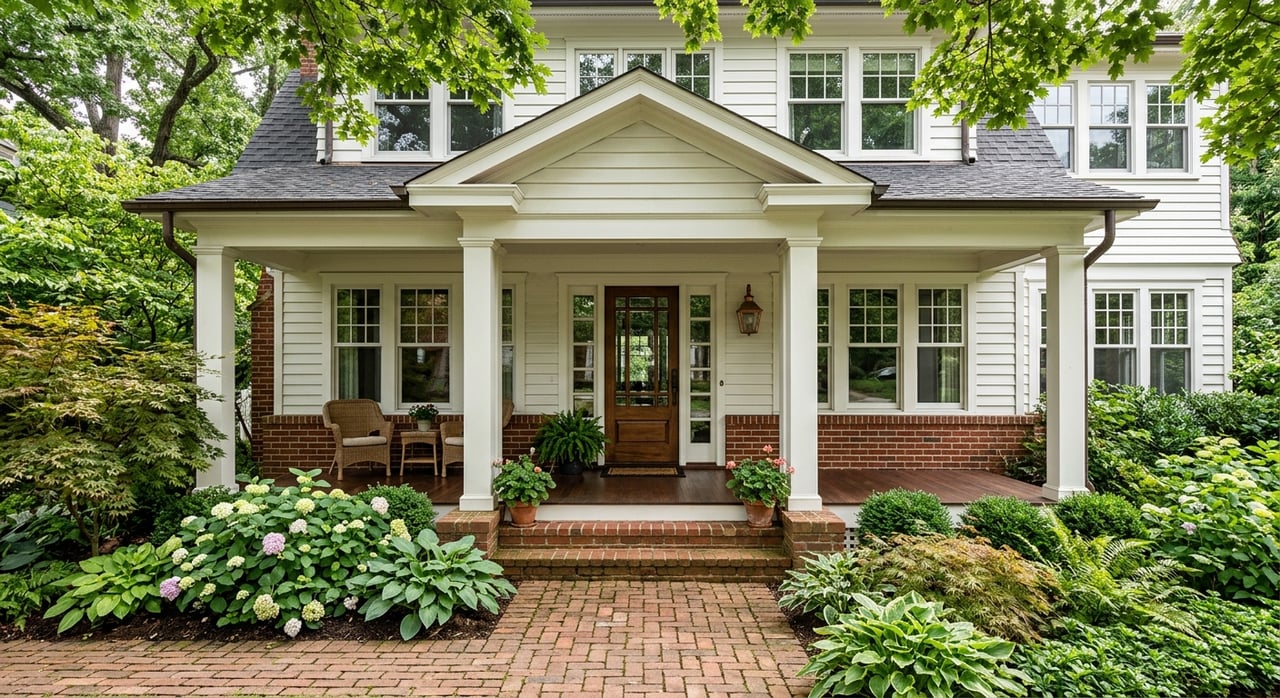
Historic homes in Franklin include a wide mix of architectural styles from the 19th and 20th centuries. City design guidelines reference early Federal, Greek Revival, Italianate, Victorian, Queen Anne, Craftsman, Colonial Revival, Ranch, Folk Victorian, Bungalow, and Neoclassical homes.
Many of these homes share features that buyers notice right away. You will often see one- and two-story homes with brick, stone, or wood exteriors, front porches, modest front setbacks, and detached accessory structures.
Why Buyers Choose the Historic Core
For many buyers, the appeal is simple. You are closer to the center of activity, surrounded by architecture with personality, and living in an area where streetscape and preservation matter.
If your ideal weekend includes walking to coffee, dining near Main Street, or enjoying local events in downtown Franklin, the historic core may feel like the right match. This is the side of Franklin that offers the strongest sense of place and the most one-of-a-kind housing character.
What Owning a Historic Franklin Home Requires
Character often comes with more responsibility. If a home sits within the Historic Preservation Overlay District, many exterior changes require a Certificate of Appropriateness before work begins.
According to the city, that review can apply to new construction, additions, demolition, signs, awnings, fences or walls, window replacements, and non-routine siding or roofing work. The Historic Zoning Commission reviews projects using the Franklin Historic District Design Guidelines.
Questions to Ask Before You Buy Historic
Before you make an offer on a historic-area property, it helps to ask a few direct questions:
- Is the home inside a historic overlay district?
- Will any planned exterior work require a Certificate of Appropriateness?
- Has previous renovation work already been approved?
- Are you comfortable with extra review steps before making changes?
For the right buyer, these rules are not a downside. They are part of what helps protect the look and feel of the area over time.
What Newer Franklin Communities Offer
On the newer side of Franklin, the city’s growth plan directs development toward specific areas and encourages designs that preserve open space, add sidewalks and trails, and fit the surrounding area. Recent guidance points growth toward areas such as Franklin Road, Mayes Creek, West Harpeth, Lewisburg Pike, and Murfreesboro Road.
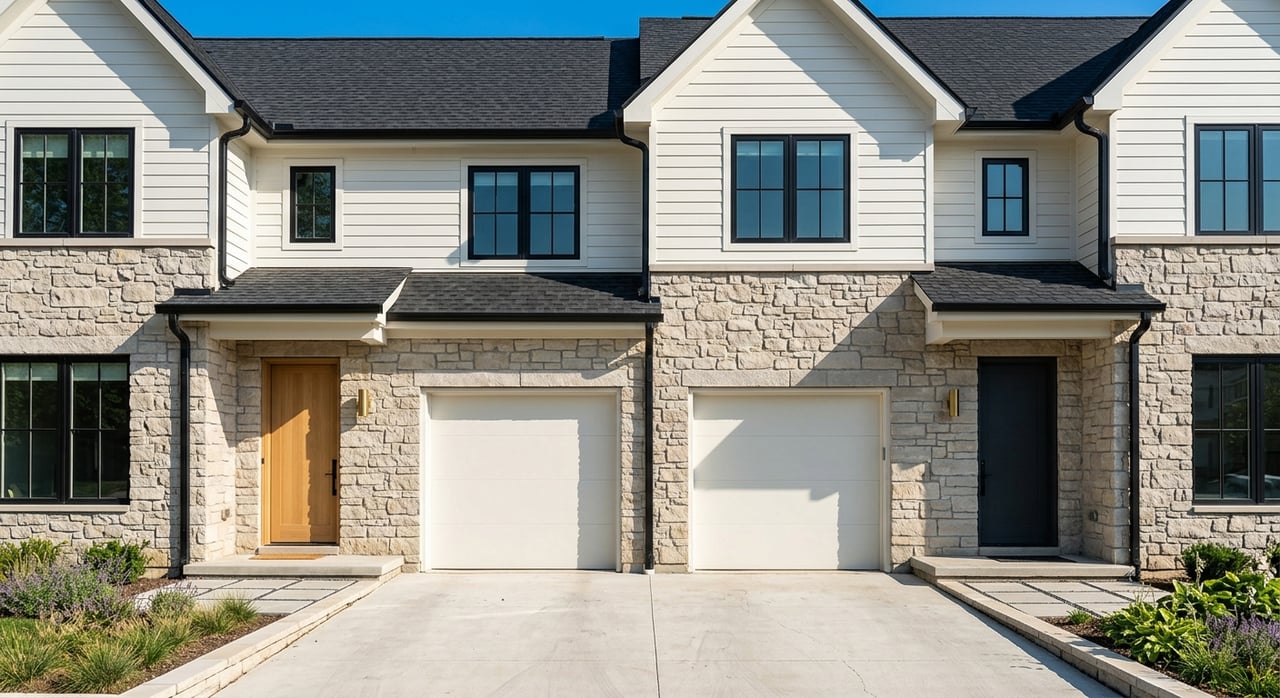
That means newer communities in Franklin are often built with a more coordinated vision. Instead of a block-by-block historic pattern, you may find master-planned neighborhoods, mixed-use areas, and subdivisions designed around amenities, pedestrian connections, and neighborhood standards.
Examples of Newer Franklin Living
Berry Farms is one example of newer Franklin development. Its official site describes a 600-acre mixed-use master-planned community with pedestrian-friendly streets and neighborhoods within a 5-minute walk of shops, restaurants, offices, parks, a pool, and bocce ball courts.
Westhaven offers another version of newer Franklin living. Its official site describes single-family homes, townhomes, condominiums, and 55+ living, plus a village center, resident club, pools, 9 miles of trails, 20 community parks, tennis and pickleball courts, and an 18-hole golf course.
Why Buyers Choose Newer Communities
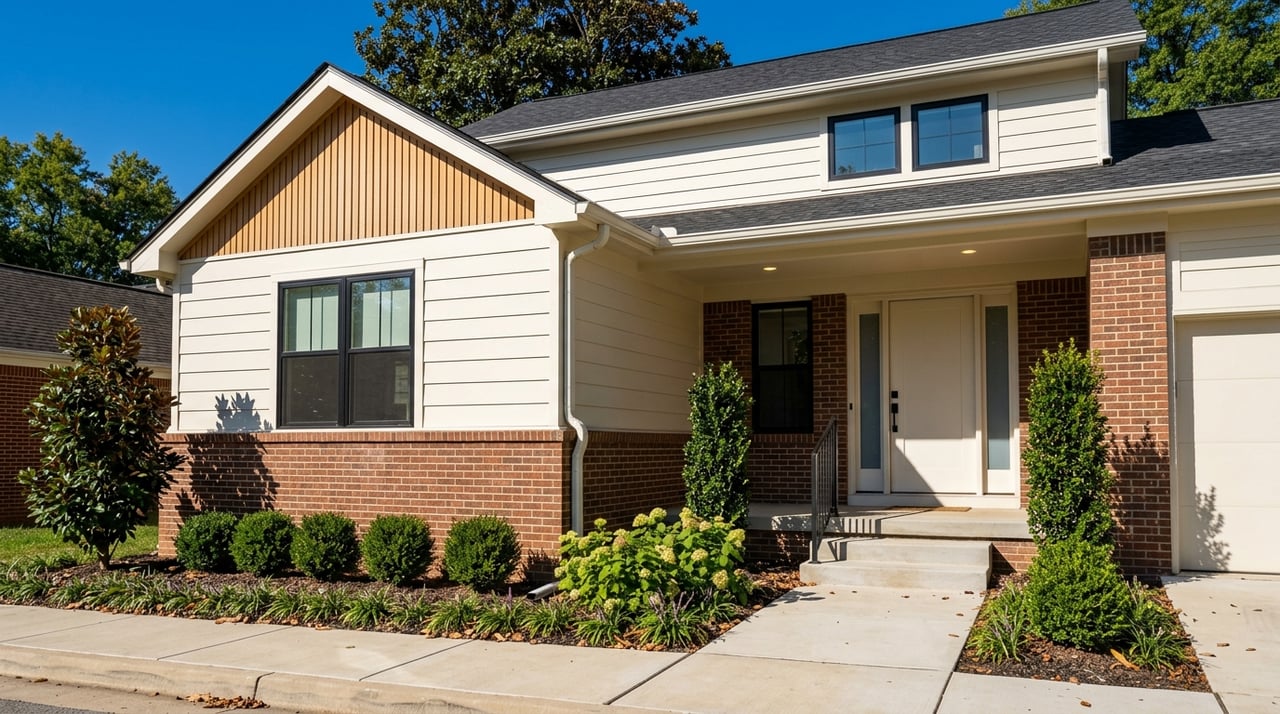
Newer neighborhoods often appeal to buyers who want newer construction, more consistent neighborhood standards, and built-in amenities. If you like the idea of trails, pools, parks, and a community layout designed for convenience, this side of Franklin may be the better fit.
You may also find a broader mix of housing types in newer communities. Depending on the neighborhood, that can include detached homes, townhomes, condos, and age-targeted options.
Historic Franklin vs Newer Suburb Comparison
Your best choice usually comes down to how you want to live, not just how a home looks online. Here is a simple side-by-side view.
| Decision Factor | Historic Franklin | Newer Franklin Community |
|---|---|---|
| Architecture | Older homes with distinct character and varied styles | Newer homes with more uniform design standards |
| Walkability | Strong access to downtown shops, dining, and events | Often includes sidewalks, trails, and internal community walkability |
| Exterior changes | May require city review in overlay areas | Often guided by HOA rules or community standards |
| Amenities | More tied to the surrounding downtown area | Often includes pools, parks, trails, clubs, or sports features |
| Housing feel | One-of-a-kind homes and streetscapes | More planned, consistent neighborhood layout |
| Buyer fit | Buyers who value character and centrality | Buyers who want convenience, amenities, and a managed setting |
Budget Means More Than the Mortgage
When comparing these two options, monthly payment is only part of the story. Franklin’s city property tax is listed by the city at $0.296 per $100 of assessed value, with taxes billed and collected by the Williamson County Trustee.
The city also states that taxes are due the first Monday of October and become delinquent on March 1 of the following year. Williamson County notes that local tax rates are set annually by county and municipal legislative bodies.
Costs to Compare Carefully
As you build your budget, look beyond principal and interest. You should also compare:
- Property taxes
- HOA dues, if any
- Expected repair or update costs
- Amenity-related fees or association costs
- The likely cost of maintaining an older versus newer property
In many cases, historic ownership puts more of the upkeep and decision-making directly on you. In many planned communities, some of that structure shows up through HOA rules, dues, and shared amenities.
Schools Are Address-Specific in Franklin
School zoning is one of the biggest reasons buyers should avoid making assumptions. In Franklin, school assignment depends on the property address.
Franklin Special District serves pre-K through 8 in eight schools, but its boundaries do not cover all of Franklin because those boundaries were frozen by the Tennessee General Assembly in 1986. Williamson County Schools states that zones are set by the board, can change with capacity, and require residence in Williamson County.
What to Verify Before You Buy
If school assignment matters to your household, verify it early in the process. Ask these questions before you get too attached to a home:
- Is the address in Franklin Special District or Williamson County Schools?
- Has the zoning been confirmed for that exact property?
- Could capacity or future board decisions affect school assignment?
The key point is simple: do not assume all Franklin addresses follow the same school path.
How to Choose the Right Fit for You
If you love architectural detail, a stronger sense of history, and being close to downtown activity, historic Franklin may be the better choice. If you are comfortable with preservation rules and a more hands-on ownership experience, the value may feel well worth it.
If you prefer newer construction, planned amenities, neighborhood consistency, and growth-area convenience, a newer Franklin community may make more sense. That option often works well for buyers who want a more structured environment and easier day-to-day decision-making around the neighborhood setting.
A Simple Decision Filter
When buyers feel stuck, I usually recommend narrowing the choice with these questions:
- Do you want character or consistency?
- Do you want downtown energy or community amenities?
- Are you comfortable with historic design review or do you prefer HOA-style standards?
- Do you want a one-of-a-kind older home or a newer, more predictable layout?
Your answers will usually point you in the right direction faster than square footage alone.
Franklin offers both a preserved historic center and thoughtfully planned newer growth, which is a big reason so many buyers are drawn to it in the first place. If you want help comparing neighborhoods, checking overlay rules, or weighing the trade-offs between historic charm and newer convenience, Kenny Stephens can help you protect your interests and make a confident move.
FAQs
What makes historic Franklin different from newer Franklin neighborhoods?
- Historic Franklin offers older homes, preserved streetscapes, and close access to downtown shops, dining, and events, while newer Franklin neighborhoods often offer newer construction, planned amenities, sidewalks, trails, and more uniform community standards.
What is a Certificate of Appropriateness in Franklin?
- In Franklin’s Historic Preservation Overlay District, a Certificate of Appropriateness is city approval that may be required before many exterior changes such as additions, demolition, fences, window replacements, and certain siding or roofing work.
What should buyers compare when choosing between historic Franklin and a newer suburb?
- Buyers should compare lifestyle fit, budget, possible HOA dues, expected maintenance, exterior renovation flexibility, walkability, and whether the property sits in a historic overlay district.
Are school zones the same across all Franklin addresses?
- No. Franklin school zoning is address-specific, and a property may fall within Franklin Special District or Williamson County Schools depending on the exact location.
Do newer Franklin communities usually have HOA dues?
- Many planned communities do have HOA structures or fees, so you should confirm the dues, what they cover, and any neighborhood rules before buying.
Is downtown Franklin limited to the area around the square?
- No. Downtown Franklin is the center of the historic core, but Franklin also has seven locally designated historic districts, so the historic-home option extends beyond just the square.