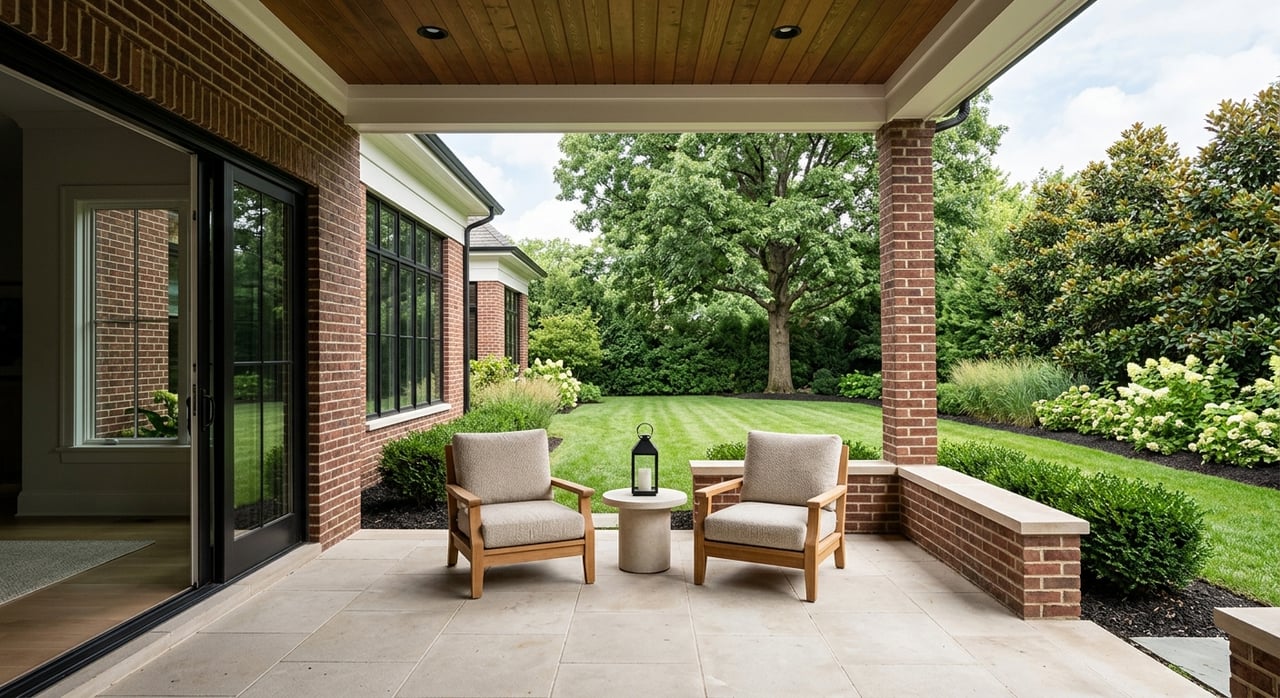
Thinking about leaving Nashville but not sure whether Franklin or Brentwood fits you better? That decision can feel bigger than it looks, because you are not just changing your address. You are also changing your budget, commute, daily routine, and the kind of community experience you want. This guide breaks down the key differences so you can compare Brentwood and Franklin with more confidence. Let’s dive in.
Brentwood vs Franklin at a Glance
If you are moving from Nashville, Brentwood and Franklin can both offer more space and a more suburban setting. Still, they are not the same kind of move. Each city has a different rhythm, price point, and day-to-day feel.
Brentwood describes itself as a premier residential and office community, with about 90% residential zoning and 1,027 acres across 14 parks and greenways, according to the City of Brentwood. Franklin, by contrast, is known for its mix of history and growth, including a 15-block historic district and the Cool Springs area for business, dining, and shopping, according to the City of Franklin.
That difference matters if you are trying to match your next home with your lifestyle. In simple terms, Brentwood tends to feel quieter and more residential, while Franklin offers more town-center energy and a stronger downtown identity.
How Brentwood Feels Different
Brentwood is often the choice for buyers who want to stay close to Nashville while moving into a more residential setting. The city’s lower density and high share of residential zoning support that feel. It is a place many buyers consider when they want more room without moving too far from the urban core.
Census data also shows Brentwood with the highest median household income and owner-occupied home values among Brentwood, Franklin, and the Nashville-Davidson balance, based on U.S. Census QuickFacts for Brentwood. That lines up with what many buyers see in the market: Brentwood is usually the premium-priced option.
If your top priorities are a quieter setting, easier access back to Nashville, and a more straightforward suburban school pathway, Brentwood often rises to the top of the list.
How Franklin Feels Different
Franklin tends to appeal to buyers who want a suburban move without giving up a more active town-center experience. The city combines established historic character with newer commercial growth, which creates a different atmosphere from Brentwood.
According to the City of Franklin, Franklin blends history with new growth and includes a well-known downtown district along with the Cool Springs area. For many buyers, that means more options for dining, shopping, and everyday errands in a more mixed-use environment.
Franklin is still a suburban move compared with Nashville, but it often feels like a middle ground. You may get more community activity and a stronger downtown presence than in Brentwood, while still gaining more space than you likely had in the city.
What It Costs to Move
For most buyers, budget is where the Brentwood versus Franklin decision gets very real. Both markets are more expensive than Nashville, but Brentwood usually requires a much larger jump.
According to Redfin’s Brentwood housing market data, the median sale price in Brentwood was $1,610,375 in March 2026. Redfin’s Franklin housing market data showed $835,000 for Franklin, while Nashville’s median sale price was $469,945 during the same period, based on the Nashville comparison referenced in the research report.
That means Franklin is still a major step up from Nashville, but Brentwood is usually the biggest equity and monthly payment jump. If you want the suburban move with a more manageable price increase, Franklin may be the easier transition.
Median Price Comparison
| Area | Median Sale Price |
|---|---|
| Brentwood | $1,610,375 |
| Franklin | $835,000 |
| Nashville | $469,945 |
Price is only one part of the picture, though. You also need to think about taxes, down payment comfort, future maintenance, and how much flexibility you want in your monthly budget.
Schools and District Structure
If schools are part of your decision, both Brentwood and Franklin benefit from being in Williamson County. That is a major reason many Nashville-area buyers start looking south.
Williamson County Schools serves about 42,000 students across 52 schools. Its 2025 State Report Card showed a 97.5% graduation rate, a 77.8% Ready Graduate rate, 79.0% ACT benchmark attainment for the class of 2025, and Level 5 growth in grades 3 through 5 and 9 through 12.
Brentwood has a simpler public school setup. According to the City of Brentwood schools page, Brentwood public schools are operated by Williamson County Schools, so many households follow one district pathway from elementary through high school.
Franklin can be more complex. The City of Franklin community guide notes that public schools may be governed by either Franklin Special School District for K-8 or Williamson County Schools, depending on the address. That does not make Franklin a weaker choice, but it does mean you should verify zoning and feeder patterns carefully before you buy.
It is also important to keep the Nashville comparison fair. Metro Nashville Public Schools reports that it earned a Level 5 growth score for the fourth consecutive year and reached a record graduation rate of 85.7% in 2024. So if you are leaving Nashville, the conversation is less about one area being “good” and another being “bad,” and more about district structure, school assignment simplicity, and the kind of setting you want.
Commute and Daily Convenience
Your commute can shape how happy you are with your move. If you still work in Nashville, go downtown often, or want easier airport access, Brentwood usually has the edge.
Rome2Rio’s Brentwood to Downtown Nashville route lists the drive at about 13 minutes over 10.6 miles. By comparison, Rome2Rio’s Franklin to Downtown Nashville route lists about 25 minutes over 19.4 miles by car.
That gap may not sound huge on paper, but it adds up fast during the workweek. Brentwood tends to keep you better connected to Nashville jobs, events, and airport runs, while Franklin usually asks for a little more drive time in exchange for a stronger independent town-center feel.
Franklin can also be less flexible if your household depends on alternatives to driving. The no-car route to Downtown Nashville involves bus and transfer combinations and takes roughly 48 to 53 minutes, based on the same Rome2Rio Franklin route page.
Market Pace for Buyers and Sellers
Neither Brentwood nor Franklin is a market where you can afford to guess. Buyers still need to be prepared, and sellers still need to price with discipline.
Redfin reported homes selling in about 92 days in Brentwood, 66 days in Franklin, and 98 days in Nashville, with sale-to-list ratios below 100% in each market. That tells you the suburban markets are active, but not automatic.
If you are selling in Nashville before buying in Brentwood or Franklin, timing matters. The 2026 Realtor.com Best Time To Sell report identified April 12 through 18 as the national ideal week to list, but your best move still depends on your home’s condition, your financing, your equity position, and whether you can handle overlapping closings or temporary housing.
Which Move Fits You Best?
The better choice depends on what you want your next chapter to look like. Brentwood and Franklin both offer strong suburban appeal, but they solve different problems.
Choose Brentwood if You Want
- A quieter, more residential setting
- A shorter drive back into Nashville
- A simpler Williamson County school pathway
- More separation from town-center activity
- The budget for a higher purchase price
Choose Franklin if You Want
- A lower price point than Brentwood
- More downtown identity and mixed-use activity
- Access to the Cool Springs area
- A suburban feel with more town-center energy
- A middle-ground move between Nashville and Brentwood
A Smart Way to Decide
If you are torn, try comparing the cities through your weekly routine instead of just home photos. Ask yourself where you work, how often you go into Nashville, how much payment flexibility you want, and whether you picture your free time in a quieter residential environment or around a more active downtown area.
That kind of comparison usually brings the answer into focus much faster. And when you are moving up from Nashville, getting the timing, pricing, and location right can protect both your lifestyle and your long-term investment.
If you are weighing Brentwood against Franklin, Kenny Stephens can help you compare neighborhoods, narrow your numbers, and build a move plan that protects your interests every step of the way.
FAQs
Is Brentwood or Franklin more expensive for buyers moving from Nashville?
- Brentwood is usually more expensive. Redfin reported a March 2026 median sale price of $1,610,375 in Brentwood versus $835,000 in Franklin and $469,945 in Nashville.
Does Brentwood or Franklin have an easier public school setup?
- Brentwood is generally simpler because Brentwood public schools are operated by Williamson County Schools, while Franklin addresses may fall under Franklin Special School District for K-8 or Williamson County Schools depending on location.
Is Brentwood or Franklin closer to Downtown Nashville?
- Brentwood is closer based on the research provided, with a drive of about 13 minutes over 10.6 miles versus about 25 minutes over 19.4 miles from Franklin.
Does Franklin or Brentwood have more of a downtown feel?
- Franklin has the stronger town-center identity, with its 15-block historic district and the Cool Springs business, dining, and shopping area.
Are Nashville schools improving compared with suburban districts?
- Yes. Metro Nashville Public Schools reports a Level 5 growth score for the fourth consecutive year and a record 85.7% graduation rate in 2024, though Williamson County Schools still shows stronger district-wide headline outcomes in the research provided.