Ask ten Franklin sellers what worries them most before a home inspection and you'll get ten versions of the same answer: the roof, the crawl space, maybe an aging HVAC unit hiding in a hallway closet. Those are real concerns. They are also, in most cases, not what actually stalls a Franklin closing.
The more common holdup shows up after the inspector leaves. It's the moment a buyer's attorney or title company asks for proof that a repair, an addition, or a roof replacement was approved the way the neighborhood's governing documents require it to be. In parts of Franklin, that paperwork gap causes more delay than the physical defect ever would have.
Where that gap shows up, and what it looks like, depends entirely on which Franklin you're selling in.
Westhaven and Ladd Park: the roof that passes inspection and still causes a problem
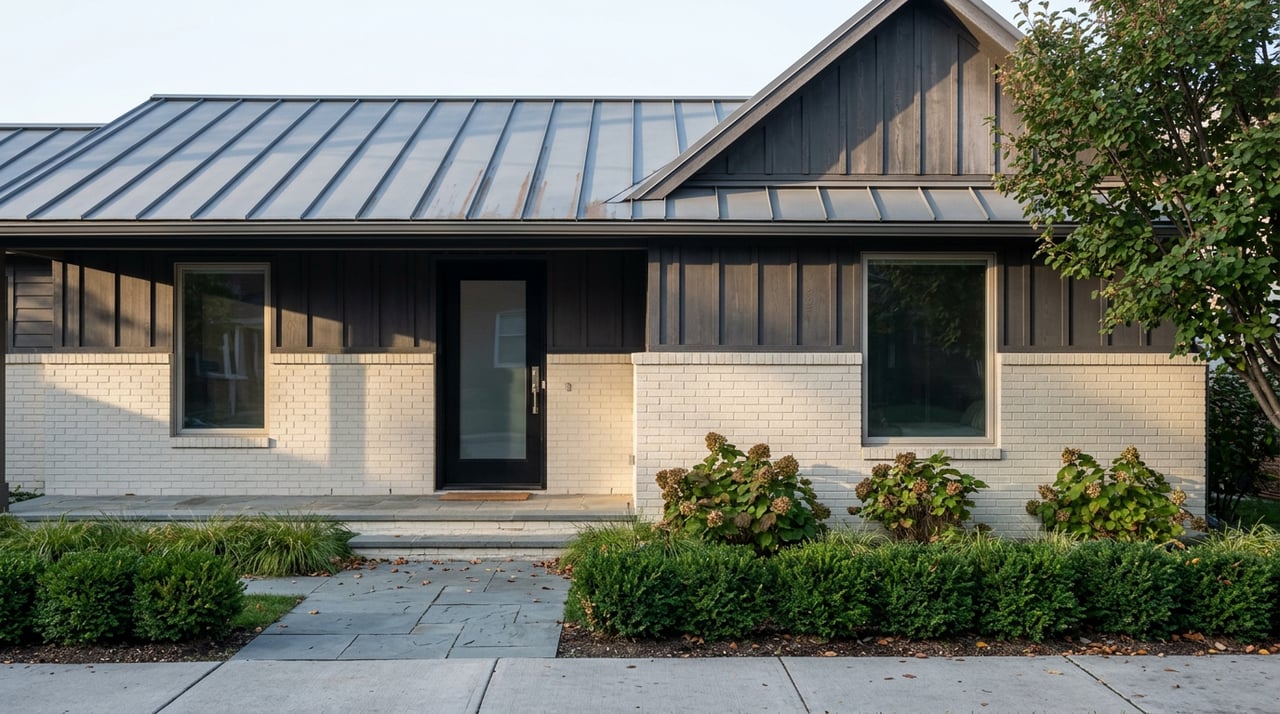
Westhaven's homes date from 2006 to the present, and Ladd Park is one of the newer planned communities filling in around it. Both operate under active Architectural Review Board oversight, meaning exterior changes, including roofing material, product line, and color, need board sign-off before the work happens, not after.
That sounds like a formality until a seller in one of these communities replaces a roof after storm damage, has it inspected and cleared, and then discovers during due diligence that the ARB never approved the shingle color. Local roofing contractor Wegner Roofing & Solar, which handles ARB submissions as a standard part of its Franklin projects, has flagged this exact scenario: homeowners in Westhaven, Governors Club, and similar communities who skip the approval step can be forced to remove and reinstall an otherwise sound roof at their own expense, simply because it wasn't pre-cleared.
For a seller, that's not a repair item. It's a compliance item, and it can surface at the worst possible point in a transaction, after the buyer is already under contract and running through HOA documents. If you've done exterior work in Westhaven or Ladd Park in the last few years, the question to answer before you list isn't "did this pass inspection." It's "do I have the ARB approval letter in the file."
Fieldstone Farms and Forrest Crossing: an ordinary problem with unusually good timing
A few miles away, the friction is simpler and more mechanical. Fieldstone Farms is an established mid-1990s neighborhood, and Forrest Crossing carries similar age characteristics. Both are now producing a steady volume of roof replacements because their original systems are reaching or past their rated service life.
That timing lines up with a wider pattern across Williamson County. Thousands of homes built between 2011 and 2016 are hitting the 10-to-15-year mark in 2026, the window where roof wear accelerates sharply and hail or wind damage that was invisible from the ground for years finally becomes a negotiation point. Fieldstone Farms and Forrest Crossing are simply a decade ahead of that curve, which is part of why they show up as higher-volume replacement markets right now rather than later.
None of this involves an HOA architectural review fight. It's a straightforward age-and-wear story, and it's the one category where a pre-listing roof inspection genuinely does most of the work. If your home was built in the 1990s or early 2000s and the roof hasn't been touched, get it looked at before a buyer's inspector does.
Berry Farms: new lots create their own kind of finding
Berry Farms is newer, built primarily from 2015 forward, and its inspection profile looks almost nothing like Fieldstone Farms. The dominant issue here isn't age. It's what happens on a lot that was graded and built out quickly: drainage patterns that haven't fully settled, installation shortcuts on systems installed under production-builder timelines, and storm-related claims on roofs that are still well within their expected lifespan but took a direct hit.
Sellers in Berry Farms are more likely to be dealing with a builder-warranty question than a wear-and-tear one. Tennessee law gives new construction a one-year implied warranty that the workmanship and materials meet a basic standard of care, and a separate window for structural defects specifically: three years, or four years measured from the date the defect is actually discovered, whichever period applies to the situation. If something an inspector flags in a Berry Farms home might trace back to original construction, that statute of limitations, not the neighborhood's HOA rules, is the clock that matters.
Historic Downtown Franklin: the paperwork is older than the paperwork trail
Closer to the square, the inspection conversation changes again. Homes here range from the early 1900s to recent infill, and the common findings reflect that age: knob-and-tube or aluminum wiring still in place in some structures, aging plumbing, foundation settlement, and additions layered on across decades without always leaving a clean documentation trail behind them.
Two add-on inspections earn their cost here in a way they don't elsewhere in Franklin. A sewer scope matters because original clay or cast-iron lines may still be in service under these older lots, and a scope is the only way to know their condition before it becomes a buyer's problem instead of a seller's disclosure. A chimney inspection is worth commissioning on any home with a wood-burning fireplace, common in Franklin's older and luxury housing stock, since a chimney that looks fine from the mantle can still have a cracked flue liner. Standard inspections across Franklin generally run $375 to $700, and luxury properties in areas like Westhaven or historic homes downtown tend to land on the higher end simply because they take longer to inspect properly.
There's also a disclosure obligation specific to this end of town that catches people off guard. Tennessee's residential disclosure statute requires sellers to deliver a disclosure statement before a buyer's offer is accepted, and where a property sits inside a planned unit development or HOA, state law separately requires the seller to disclose that fact in writing and make the covenants, bylaws, and master deed available to the buyer on request. In older downtown properties without a homeowners association, that second requirement doesn't apply. In the newer subdivisions on the edges of downtown, it does, and skipping it is a disclosure gap, not just an inconvenience.
The one test every Franklin neighborhood should run, regardless of age
Whatever build era a Franklin home falls into, one recommendation cuts across all of them. Williamson County is designated a Zone 1 radon area by the EPA, its highest risk category, meaning the county's predicted average indoor levels exceed the action threshold the agency uses to recommend mitigation. That designation doesn't care whether the home was built in 1910 or 2024. A downtown property with a tight crawl space and a Berry Farms new build on a freshly graded lot carry the same exposure on paper, and a radon test is inexpensive enough that skipping it before listing rarely makes sense.
What this means if you're listing this fall
Franklin's inspection story isn't really about which defects turn up. It's about whether the paperwork behind a home matches what the inspector, the buyer's attorney, and the buyer's HOA review will each expect to see. In Westhaven and Ladd Park, that means chasing down ARB approval letters for anything exterior. In Fieldstone Farms and Forrest Crossing, it means treating roof age as a real deadline, not a someday project. In Berry Farms, it means knowing where you stand inside the builder's warranty window before an inspector's finding turns into a dispute. Downtown, it means having the sewer line, the wiring, and the HOA disclosure documentation, where applicable, ready before a buyer ever asks.
None of this is about hiding anything. It's about making sure the story your documents tell matches the story your home actually tells, so nothing surfaces at week three of a forty-five day closing that could have been resolved in week one.
A few common questions
Does a home outside an HOA still need to worry about disclosure rules? Tennessee's general residential disclosure statute applies regardless of HOA status. The additional PUD and HOA-specific disclosure requirement only kicks in when the property is actually part of a homeowners or condominium association.
How long after closing can a new-construction defect still become the builder's problem? Under Tennessee law, structural defect claims generally have to be brought within three years, or four years measured from when the defect was discovered, whichever timeline applies to the situation. The broader implied warranty on workmanship and materials runs one year.
I already did exterior work in an ARB-governed community without approval. What now? Contact the HOA's architectural review process before you list, not after an offer is in. Retroactive approval, when a board will grant it, is far easier to secure before a buyer's due diligence period is running than during it.
If you're weighing a fall listing anywhere from Westhaven to the historic square, the Kenny Stephens Team can walk your specific property against its neighborhood's inspection and disclosure profile before it ever hits the market, so the only surprises left are the ones that work in your favor.