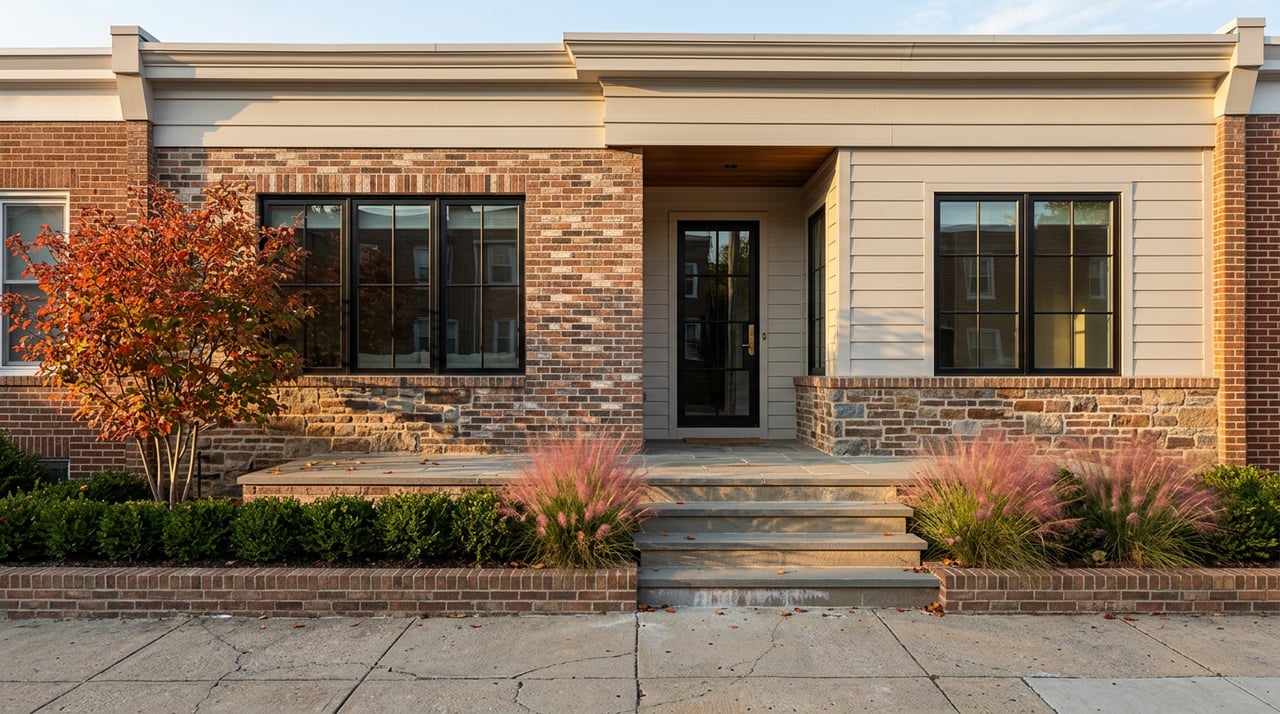
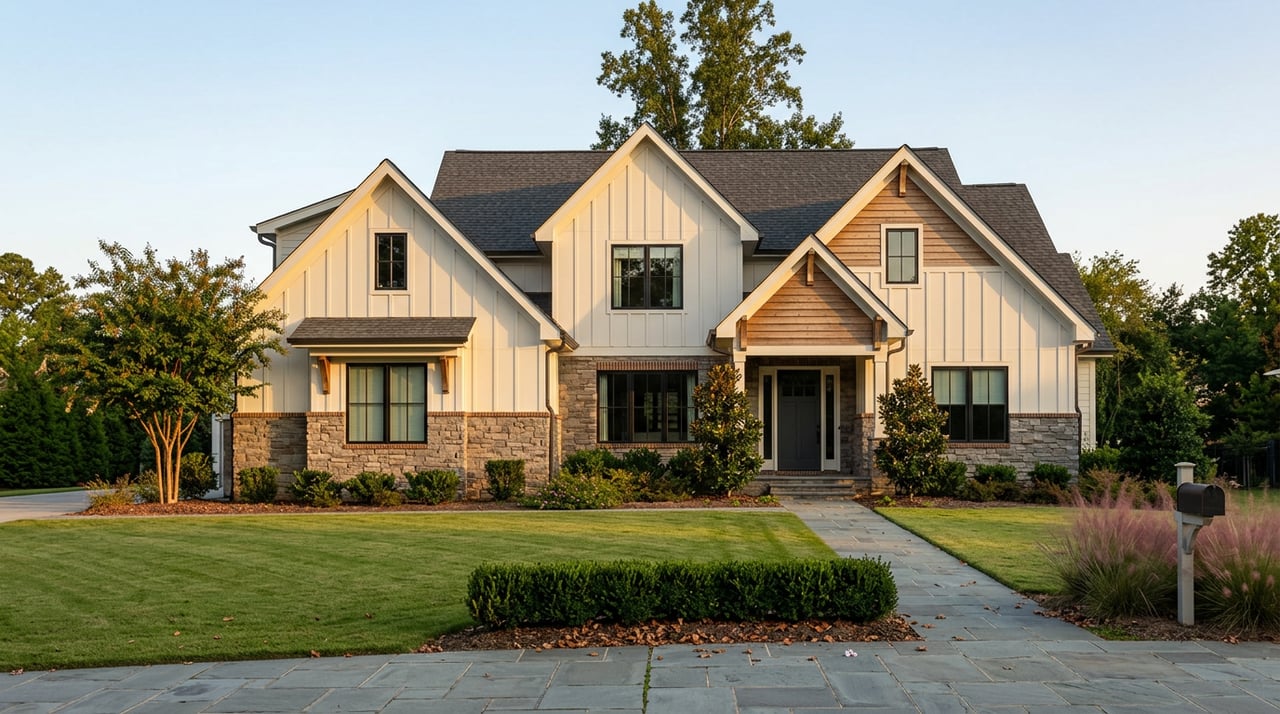
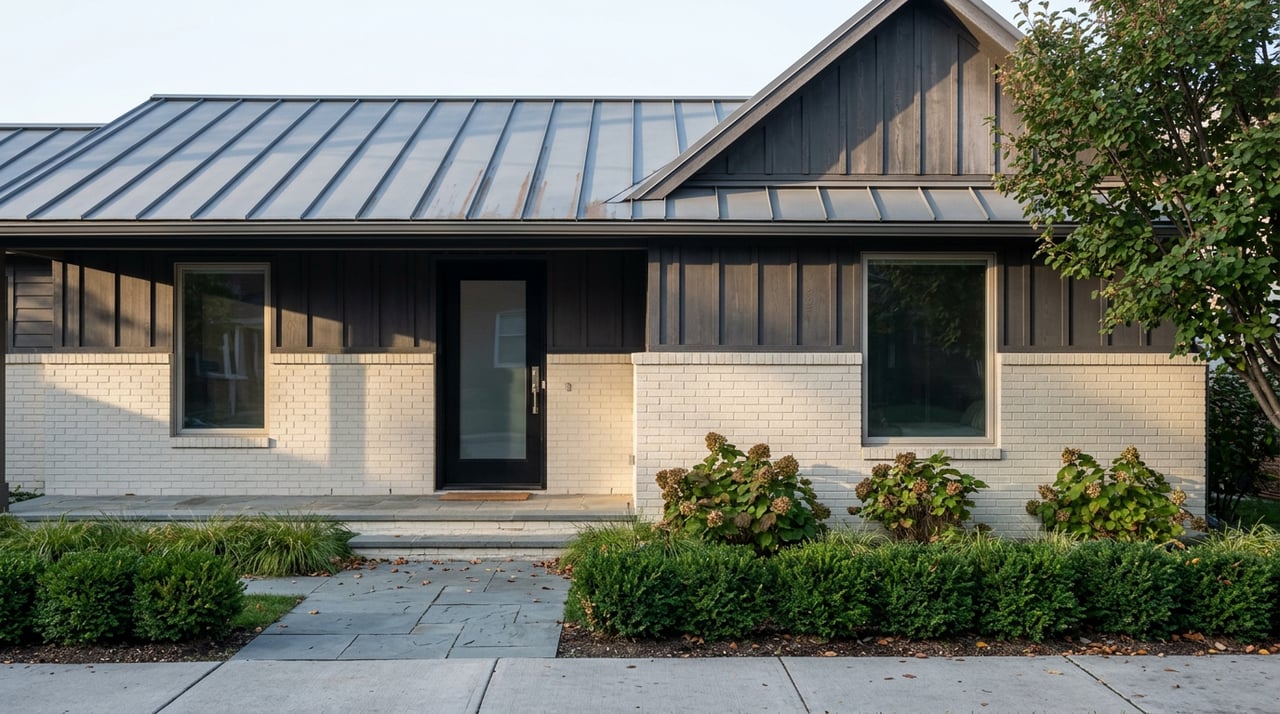
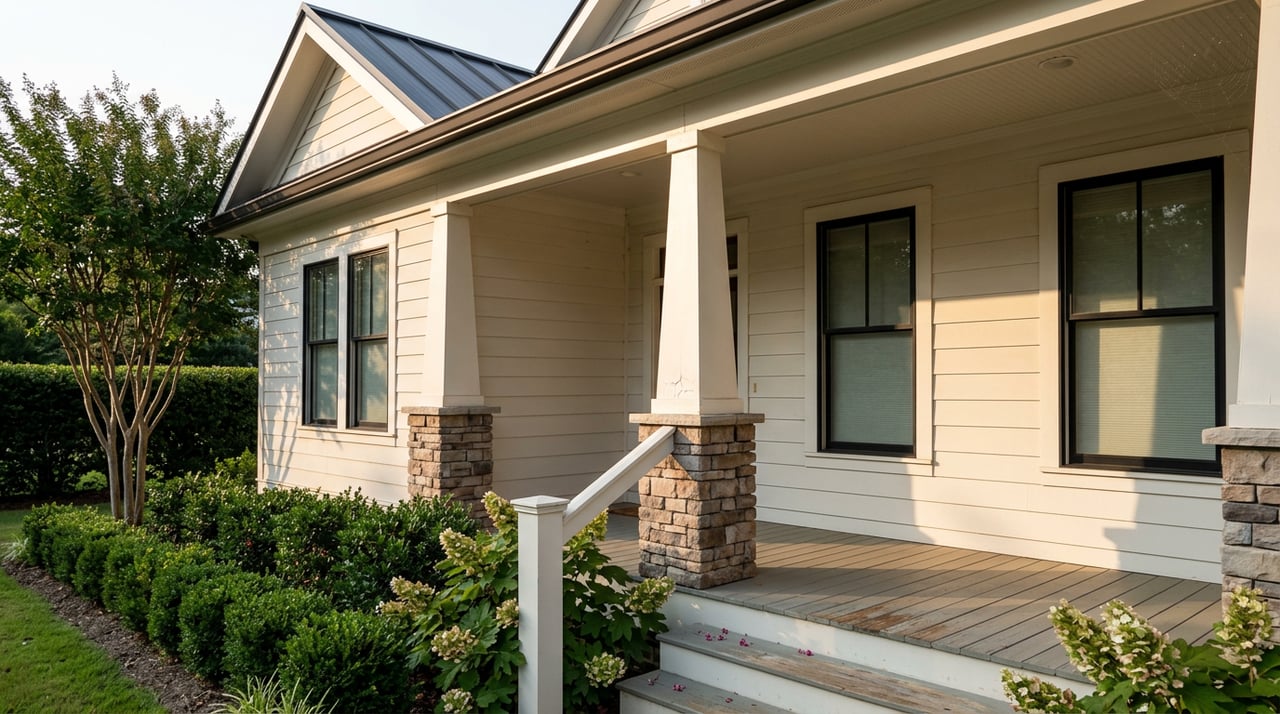
Buying a brand-new home in Brentwood can feel like the best of both worlds: fresh finishes, modern systems, and the chance to make a home your own. But new construction is not always as simple as picking a floor plan and waiting for move-in day. If you want fewer surprises, better timing, and a clearer picture of costs, it helps to understand how Brentwood’s local process works before you sign. Let’s dive in.
Brentwood New Construction Works Differently
In Brentwood, new construction runs through a city-managed permitting and inspection process. The city accepts electronic permit applications, schedules inspections by appointment, and enforces adopted residential codes, including the 2018 International Residential Code and 2018 Energy Conservation Code.
That matters because your timeline is not based only on the builder’s schedule. Local plan review, required inspections, and final occupancy approval all play a role in when a home can actually close and when you can move in.
Lot Conditions Can Change Cost and Timing
A lot may look straightforward when you first walk it, but Brentwood’s review process can uncover details that affect both design and budget. The city may review items such as driveway width and slope, sidewalk replacement, tree-planting standards, maximum residential height, floodplain issues, and erosion-control paperwork.
Lots with more than 15% slope can trigger additional review as transitional lots. In real terms, that can mean added engineering, revised plans, or more approvals before the project moves forward.
If site, utility, drainage, or landscaping plans change after approval, Brentwood requires formal Planning Commission approval. That kind of change can add time, so it is smart to ask early whether the lot has any known conditions that could lead to redesign or reapproval.
Verify the Builder Before You Sign
One of the simplest ways to protect yourself is to confirm that the builder is properly licensed and authorized for the job. In Tennessee, a contractor’s license is required before bidding or offering a price on projects of $25,000 or more.
Brentwood also states that the contractor pulling the permit generally must hold the relevant state license unless the job is $25,000 or less. During permit issuance, the city also requires proof of workers’ compensation coverage or an exemption.
For you as a buyer, this is basic due diligence. Before you commit, ask who is pulling the permit, confirm the builder’s Tennessee license status, and make sure the project is set up to move through Brentwood’s process correctly.
Understand the Contract and Deposit Terms
New construction contracts often look different from resale contracts. Builders may ask for earnest money up front, so you should ask exactly when that deposit is refundable and under what conditions.
It is also wise to keep your financing options open. Buyers are not required to assume they must use a builder’s preferred lender, and shopping lenders can help you compare rates, costs, and timing.
Your contract should also stay focused on your protection. Make sure you understand how financing, inspection, and occupancy timing are handled so you are not relying on verbal promises when construction schedules shift.
Representation Matters in a Builder Community
In any real estate transaction, it helps to be clear about who represents whom. Buyers should understand whether an agent represents the buyer, the seller, or both, along with how confidentiality and compensation work.
That is especially important in a builder setting, where the process may feel polished and fast-moving. You want your side focused on your contract terms, your lender choices, and your move-in timing.
At the Kenny Stephens Team, we take a protective, straightforward approach to new construction. Our job is to help you stay focused on the details that affect your risk, your budget, and your long-term value.
Brentwood Inspections Happen in Stages
Tennessee’s residential inspection process is staged. Inspections typically happen at the foundation stage before pouring, then at framing and rough-in, and then at final construction.
If a required inspection fails, Tennessee allows one free reinspection, but additional reinspections cost extra. Those extra costs may not always be top of mind when you first go under contract, but they can affect the build process and timing.
Brentwood’s final inspection covers more than interior finishes. The city also reviews items such as grading, drainage, driveway layout, guardrails, decks, and whether the home matches approved plans.
A Home Is Not Move-In Ready Until Occupancy Approval
One of the biggest misunderstandings in new construction is assuming that “almost done” means “ready to close.” In Brentwood, deviations from approved plans or incomplete site items can delay the certificate of occupancy.
That means details outside the house matter too. Sidewalk installation, tree-planting requirements, drainage items, and other site-related work may need to be completed before full occupancy is approved.
Electrical permits and inspections are handled through the State Fire Marshal’s Office. Electrical service cannot be provided until the electrical inspection is approved, which makes this another key milestone for your move-in timeline.
Temporary Occupancy Is Possible, But It Costs Money
Sometimes a home is nearly complete, but not fully ready for a final certificate of occupancy. In Brentwood, a temporary certificate of occupancy may be issued, but it is not a free workaround.
The city’s temporary occupancy policy includes a $2,000 fee. Of that amount, $1,750 is refunded only if the full certificate of occupancy is issued within 60 days and all outstanding items are resolved.
If you are planning around a lease ending, a school-year move, or a job relocation, this is important to discuss early. Temporary occupancy can be useful, but it should be part of your budget and timeline planning, not a last-minute surprise.
Watch for Hidden Costs Beyond the Base Price
The purchase price is only part of the picture with a new build in Brentwood. The city charges a one-time Public Works Project Fee at building-permit issuance, and water and sewer tap fees are collected at permit issuance as well.
You should ask clearly who is paying those charges. Depending on the contract, some fees may be built into the price while others may show up as separate costs.
Lot-specific conditions can create additional expenses too. Floodplain review, surveyor-stamped drawings, larger water taps for irrigation or sprinkler systems, sidewalks required before final inspection, and tree-planting requirements can all add cost or time.
Sewer, Septic, and Utility Details Matter
Not every Brentwood address is served the same way. The city notes that not every property is in the sewer district, so some lots may use another utility provider or a private septic system instead.
That is not something you want to learn late in the process. Ask early whether the lot is on city sewer, another provider, or septic, and make sure you understand any impact on installation, approvals, and long-term utility planning.
This is also a good time to estimate your ongoing housing costs. Property taxes, homeowners insurance, water, and other utilities all belong in your budget, especially when a lot has site-specific conditions that could affect monthly expenses.
Insurance and Site Risk Should Be Reviewed Early
If the property has floodplain exposure or other site-related complexity, get an informal homeowners insurance estimate before you fully commit. That early step can help you avoid budget surprises and make a more confident decision.
Brentwood’s plan review process shows just how much lot conditions can vary from one homesite to another. Two homes in the same general area may have very different cost and timing profiles depending on drainage, slope, utilities, or required site work.
A little extra homework on the front end can save a lot of frustration later. That is especially true if you are comparing multiple new construction opportunities in Brentwood.
New Homes Can Still Benefit From Private Inspection
A city or state inspection is not the same thing as a private home inspection. Tennessee notes that a home inspection is not required by law before a sale, but a licensed home inspector works independently for the buyer’s benefit and performs a visual evaluation of the home.
In practice, many buyers still choose a private inspection on new construction. The public inspection process and a private inspection serve different purposes, and both can be valuable.
If you are buying a brand-new home, it is worth asking how and when a private inspection fits into your contract timeline. That way, you can make decisions with as much information as possible.
Know What Warranty Protection Covers
Tennessee says a new home comes with a one-year implied warranty of merchantability for workmanship and materials. Structural defect claims generally have a three-year statute of limitations, or four years from notification.
That said, warranty protection does not always mean an easy fix. Tennessee Commerce notes that failure to respond to warranty issues or follow a warranty agreement can be misconduct for a licensed contractor, but the board cannot award damages or order repairs.
For you, that means documentation matters. Keep clear records of punch-list items, warranty requests, and builder responses after closing.
A Smart Brentwood Buyer Checklist
Before you move forward on new construction in Brentwood, make sure you can answer these questions:
- Is the builder properly licensed in Tennessee?
- Who is pulling the permit for the home?
- What makes the deposit refundable, and when?
- Are financing and inspection terms clear in the contract?
- Is the lot on city sewer, another provider, or septic?
- Could slope, floodplain, drainage, or plan changes require added approvals?
- Who pays permit fees, tap fees, Public Works Project Fees, or temporary occupancy fees?
- Have you reviewed insurance estimates and monthly carrying costs?
- Will you have a private home inspection before closing?
When you have solid answers up front, you put yourself in a stronger position to protect your timeline, your money, and your peace of mind.
New construction in Brentwood can be a great opportunity, but it rewards buyers who pay attention to the process behind the finishes. If you want experienced local guidance and someone to protect your interests every step of the way, reach out to Kenny Stephens to explore Brentwood new construction with confidence.
FAQs
What should buyers know about Brentwood new construction permits?
- Brentwood uses a city-run permitting process with local plan review, scheduled inspections, and occupancy approval, so timing depends on more than the builder’s construction schedule.
What hidden costs can affect a new construction home in Brentwood?
- Buyers should ask about Public Works Project Fees, water and sewer tap fees, possible temporary certificate of occupancy fees, and lot-specific costs tied to slope, drainage, sidewalks, trees, or floodplain review.
What inspections happen during a new construction build in Brentwood?
- Tennessee residential inspections are typically staged at foundation, framing and rough-in, and final construction, while Brentwood’s final review also checks site items like grading, drainage, driveways, decks, and guardrails.
What should buyers ask about a Brentwood builder deposit?
- Buyers should ask exactly when the earnest money or builder deposit is refundable and make sure financing and inspection protections are clearly addressed in the contract.
Do buyers need a private home inspection for new construction in Brentwood?
- Many buyers still choose a private inspection because city and state inspections serve a different purpose than an independent inspection performed for the buyer.
What warranty protection comes with a new home in Tennessee?
- Tennessee says a new home includes a one-year implied warranty of merchantability for workmanship and materials, and structural defect claims generally have a three-year statute of limitations, or four years from notification.